International volunteer programme

International volunteer programme

Conservation. Compassion. Stewardship.

Conservation and animal welfare, side by side

Conservation and animal welfare, side by side

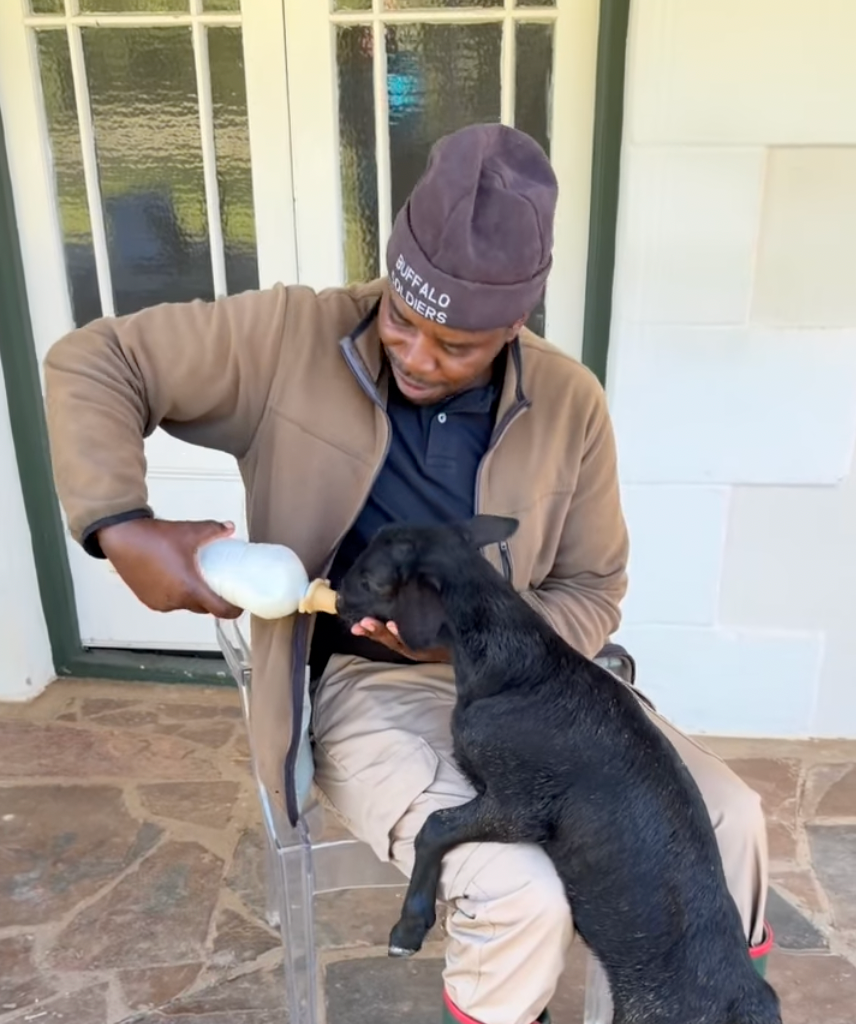
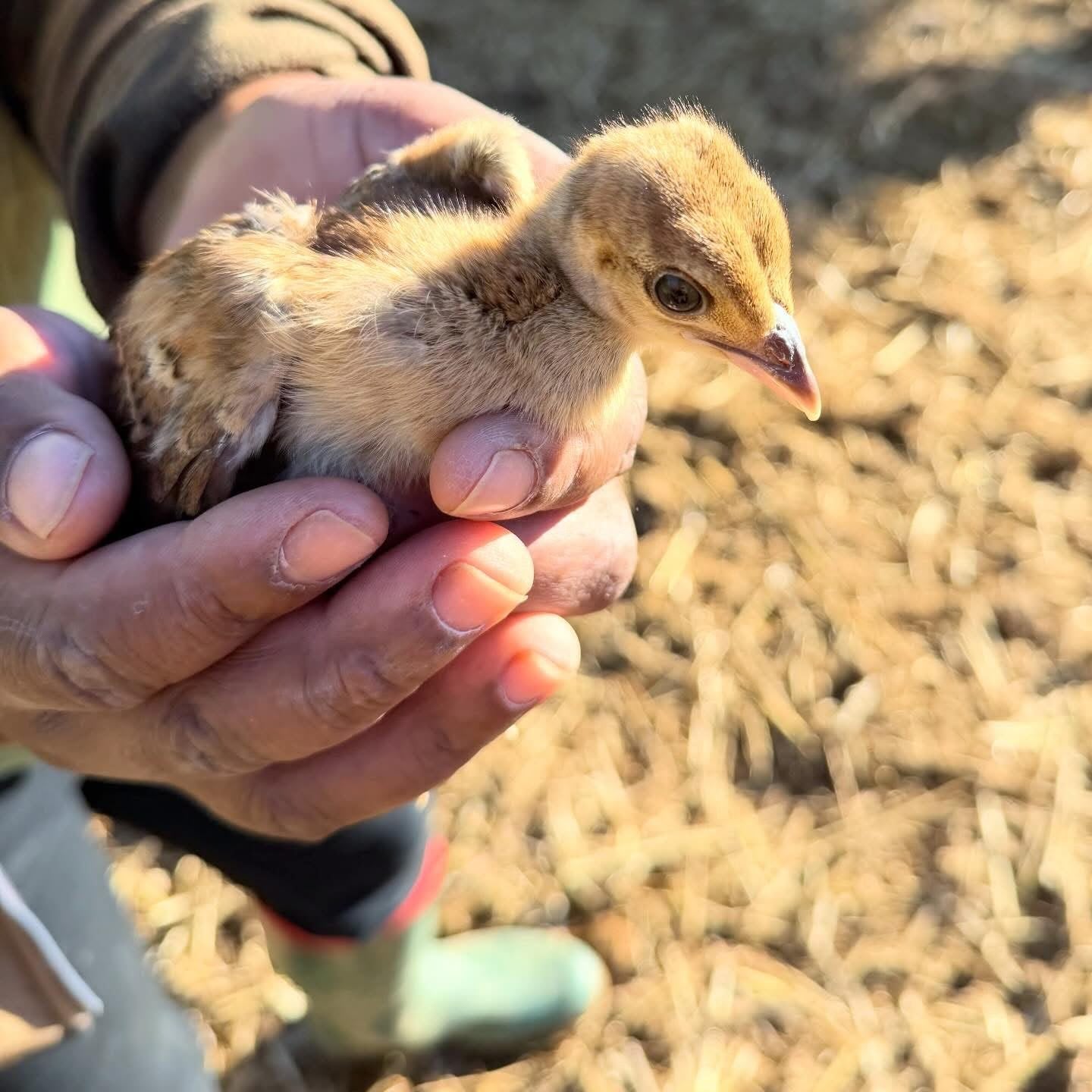
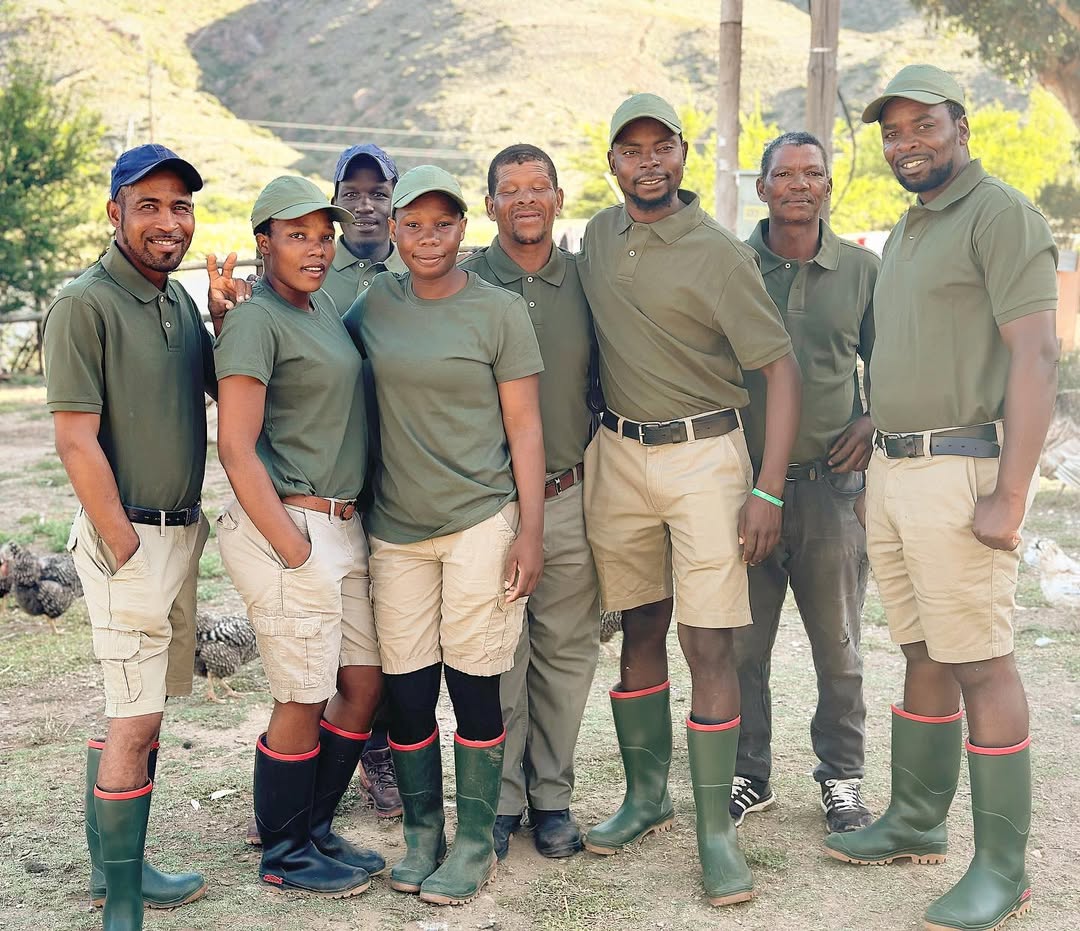
Welcome to Karoo Donkey Sanctuary and the Meiringspoort Private Nature Reserve, a unique conservation and animal welfare project in the heart of South Africa's Klein Karoo. Karoo Donkey Sanctuary is Africa's only GFAS verified equine sanctuary, and together with Meiringspoort Private Nature Reserve, we're working to create a landscape where rescued animals, indigenous wildlife and natural ecosystems can coexist and thrive. The sanctuary is home to rescued donkeys, horses, Nguni cattle, goats, sheep, pigs, geese, ducks, turkeys and chickens, many rescued from neglect, abuse or abandonment. As a volunteer, your contribution directly supports both the animals in our care and the reserve's broader conservation objectives.
About the programme

About the programme

This is not simply an animal care programme. It's an immersive experience that gives practical insight into the daily realities of managing a sanctuary within a protected conservation landscape. Depending on seasonal requirements, activities may include:

  • Feeding and caring for rescued animals
  • Cleaning camps, shelters and communal areas
  • Grooming and enrichment activities
  • Fence repairs and general maintenance
  • Habitat restoration and invasive plant management
  • Water infrastructure maintenance and erosion control
  • Conservation and biodiversity monitoring

Open to individuals over the age of 18 who are physically capable of working outdoors and who have a genuine interest in conservation, environmental stewardship and animal welfare.

Programme duration

Minimum stay:
2 weeks
Maximum stay:
8 weeks
Why:
A minimum of two weeks ensures enough time to learn daily routines, integrate into the team, and make a meaningful contribution.

Location

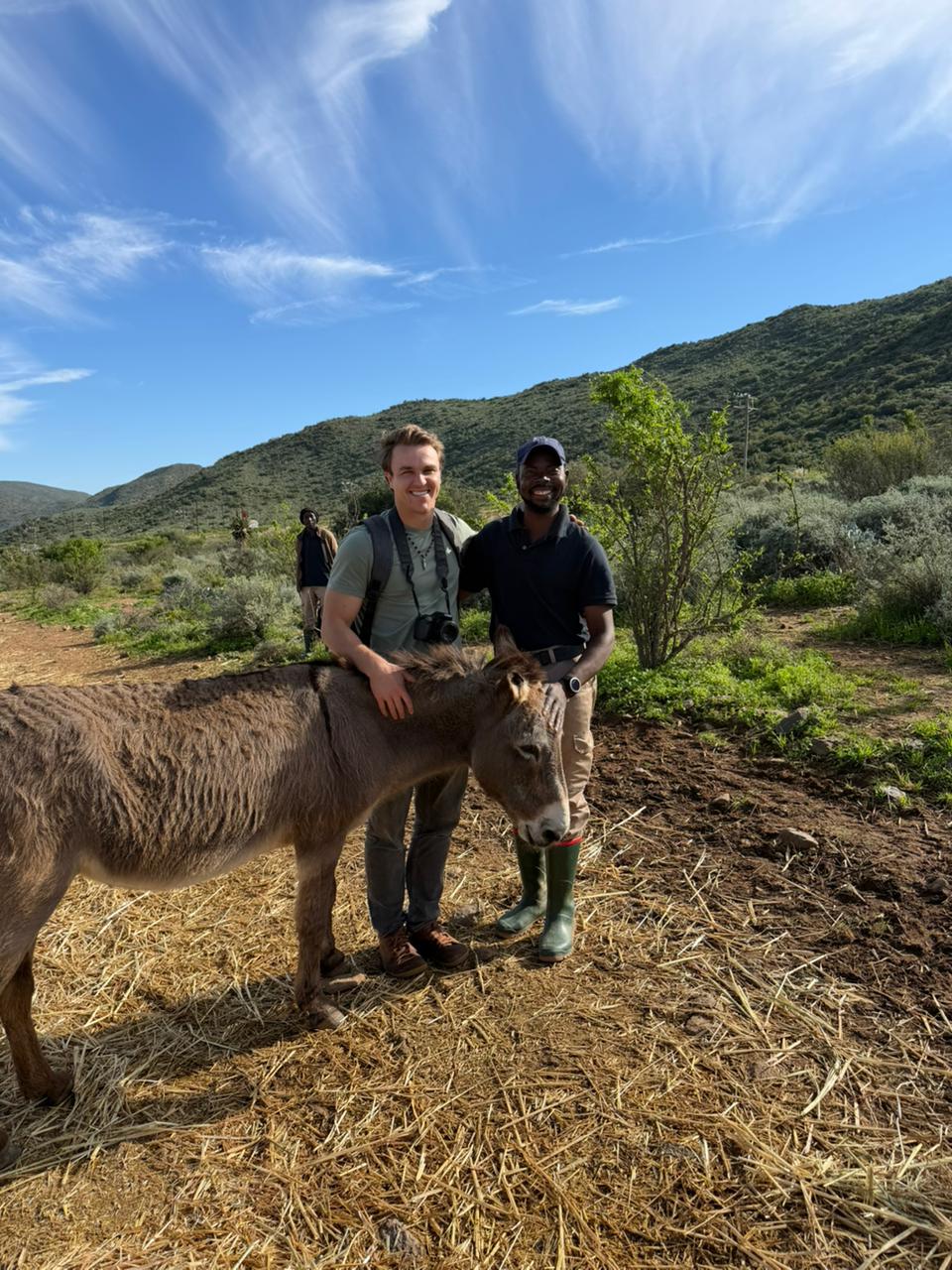
The sanctuary is situated near the village of De Rust in the Western Cape's Klein Karoo region. Surrounded by mountains, rivers, open landscapes and extraordinary biodiversity, it's a chance to experience one of South Africa's most remarkable conservation landscapes while contributing meaningfully to its protection.

Karoo Donkey Sanctuary
De Rust, Western Cape, South Africa

GET DIRECTIONS
Accommodation & meals

Accommodation & meals

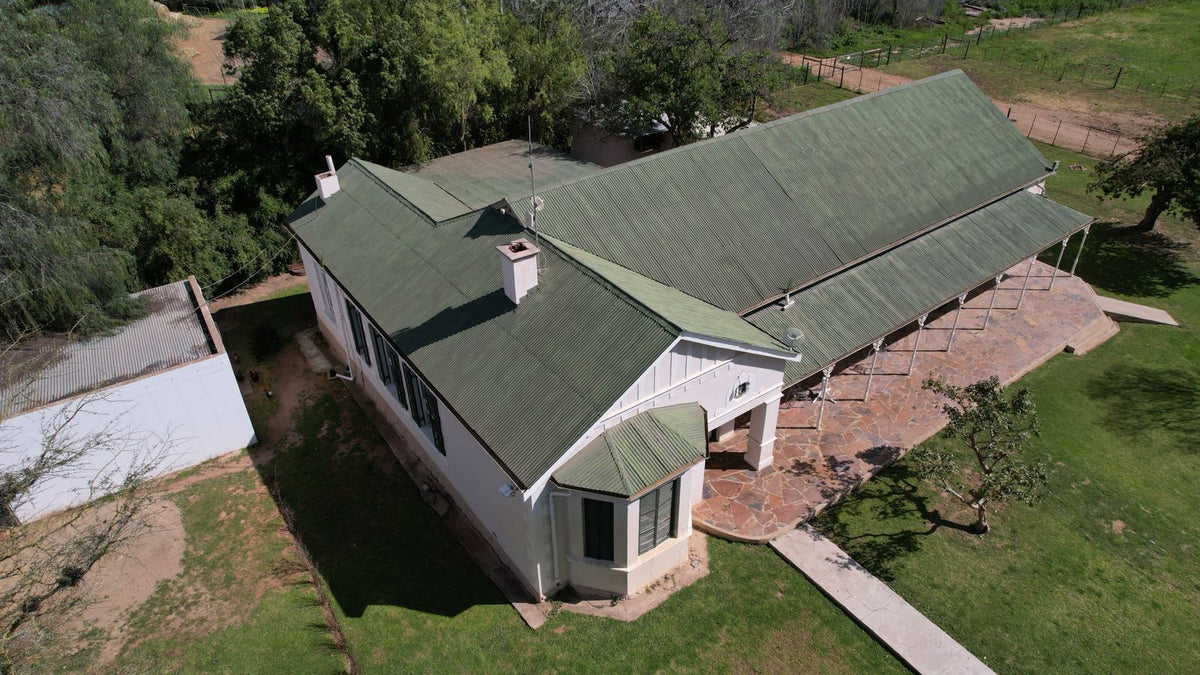
Accommodation is provided on-site in the volunteer farmhouse. Facilities include:

  • Shared accommodation, kitchen and bathroom facilities
  • Wi-Fi access and communal living spaces
  • Fresh linen, provided weekly
  • Housekeeping twice weekly, laundry once weekly
  • Breakfast, lunch and dinner Monday to Friday (weekends are for the volunteer's own account)
  • The village of De Rust, with restaurants, cafés and shops, is less than a kilometre away

Working hours

Winter (1 May – 31 August):
07:00–17:00 · tea break 09:30–10:00 · lunch 13:00–14:00
Summer (1 September – 30 April):
06:00–16:00 · tea break 08:30–09:00 · lunch 12:00–13:00
Weekends:
Generally reserved as rest days, to explore the Klein Karoo

What's included

  • Return airport transfers from George Airport
  • Shared accommodation, meals Monday–Friday, linen, housekeeping and laundry
  • Two volunteer T-shirts, one cap, work gloves, Wi-Fi access
  • One return transfer to Oudtshoorn on a Saturday
  • Guided excursion to the Cango Caves and a visit to a local ostrich farm
  • Scenic drive through Meiringspoort and the Swartberg Pass
  • Administration, processing and placement fees, and a certificate of appreciation

Exclusions

  • International and domestic flights, visa and work permit costs
  • Medical and travel insurance, vaccinations
  • Meals on weekends, additional excursions and entrance fees
  • Personal spending money, tips and gratuities

Programme fee

Fee:
€695 per person per week
Booking period:
Minimum 2 weeks, maximum 8 weeks
Deposit:
25% non-refundable deposit required to secure your placement
Balance:
Due no later than six weeks prior to arrival
Your impact

Your impact

Your contribution extends far beyond the care of individual animals. Every task completed, every shelter cleaned, every fence repaired, every habitat restored, contributes to a healthier future for the animals, wildlife and ecosystems that call this landscape home.