meiringspoort private nature reserve

Welcome to

meiringspoort private nature reserve

Where sanctuary meets wilderness. A remarkable conservation landscape in the foothills of the Swartberg Mountains, where animal welfare, biodiversity and responsible stewardship come together.

A sanctuary for animals. A future for the wild.

A sanctuary for animals. A future for the wild.

At the foot of the magnificent Swartberg mountains, near the village of De Rust, our sanctuary forms part of a landscape of towering sandstone cliffs, wild mountain slopes and sheltered river valleys. Here, the richness of the Cape’s flora meets the resilience of the Klein Karoo, creating a remarkable home for indigenous plants and wildlife.

Our commitment to protecting life reaches beyond the animals we rescue. It extends to the land beneath their feet, the water that sustains them and the wild creatures with whom we share this extraordinary place.

Working with CapeNature through its Biodiversity Stewardship Programme, we are progressing towards the formal declaration of approximately 500 hectares of our 740-hectare property as the Meiringspoort Private Nature Reserve.

This is a commitment to give nature space to thrive - and to secure that space for generations to come.
Where mountain and Karoo meet

Where mountain and Karoo meet

Across the proposed reserve, mountain fynbos, renosterveld, spekboom and Karoo vegetation give way to indigenous riverside habitats and sheltered pockets of ferns. Plants that store their life underground emerge with the seasons, bringing flowers and fresh growth to seemingly quiet ground.

This diversity is part of what makes the landscape so valuable. Different habitats provide different sources of food, shelter and breeding space, supporting life from the smallest pollinating insects to wide-ranging predators.

Protecting this land means protecting the relationships that sustain it: between soil and plants, water and wildlife, mountain slopes and the valleys below.

A wild world, often unseen

Much of the life here moves quietly, beyond our daily view.

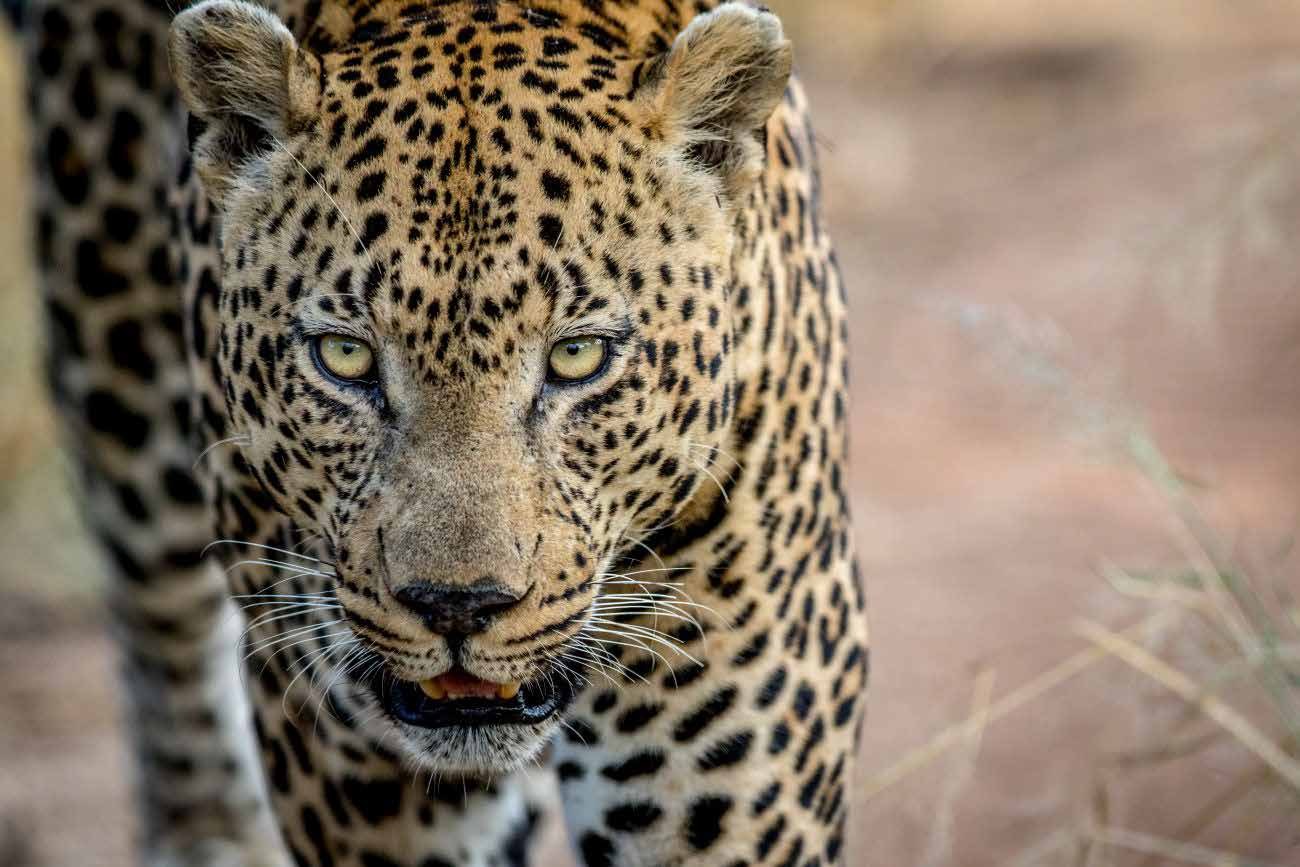
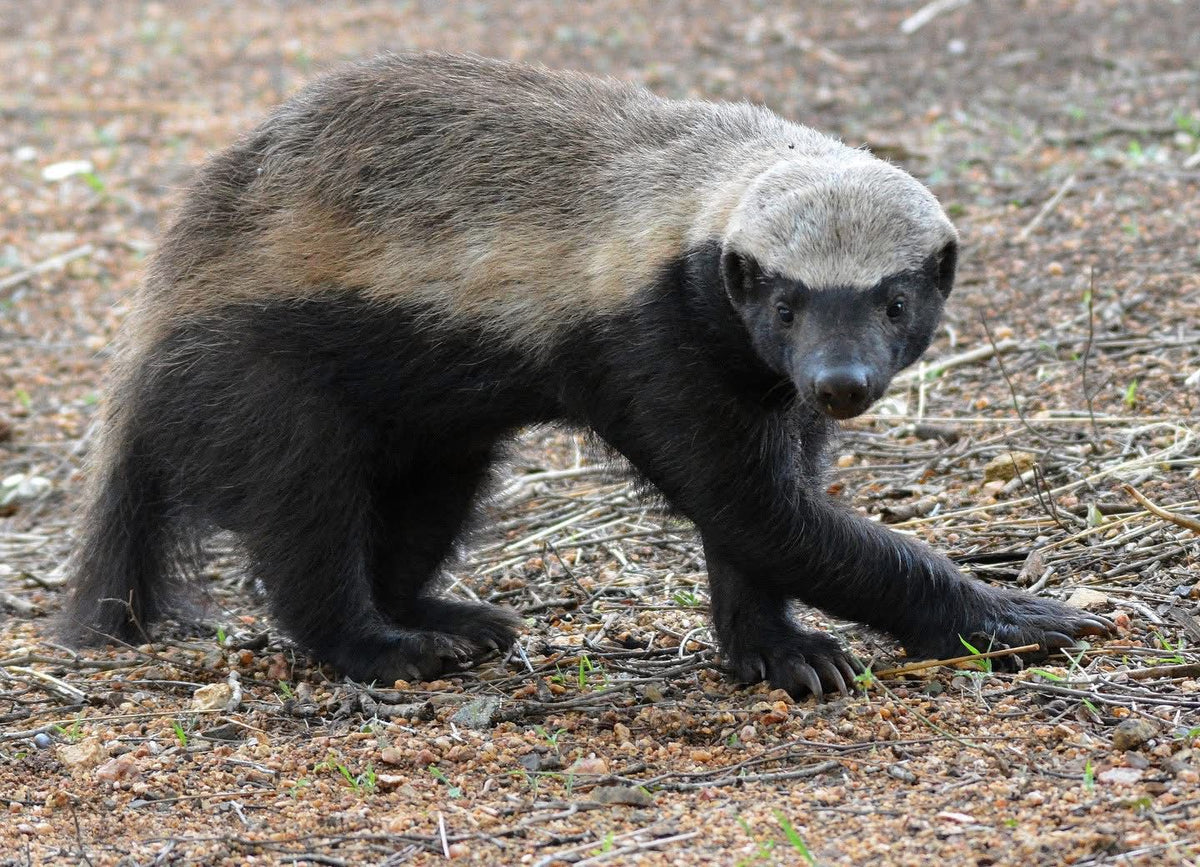
Leopards, caracals and African wildcats share the landscape with honey badgers, genets, porcupines and bat-eared foxes. Kudu browse the thicket, klipspringers navigate rocky slopes, and smaller antelope find shelter among the vegetation.

Camera traps offer glimpses into this hidden world, revealing animals whose presence reminds us that these mountains and valleys are already home.

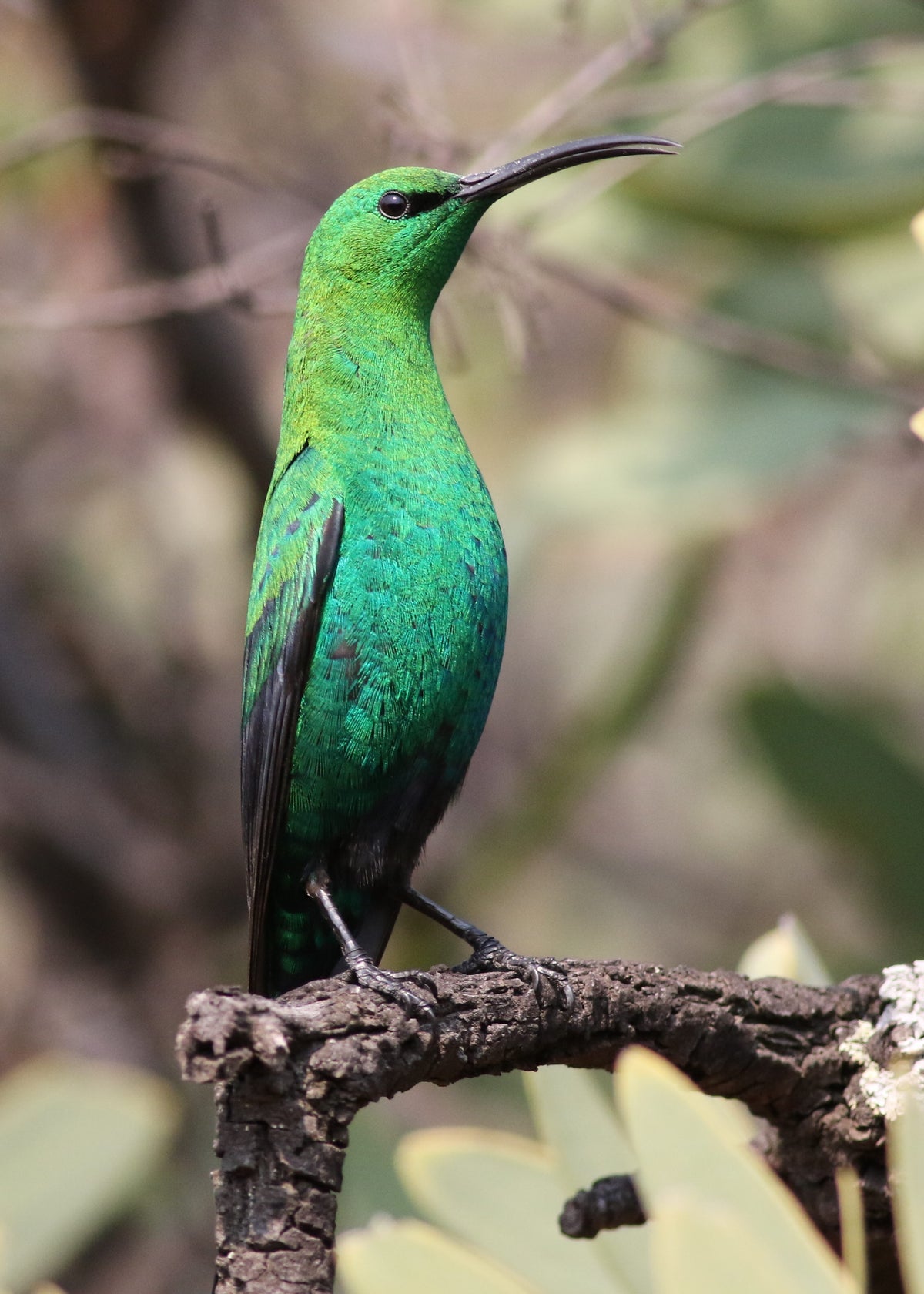
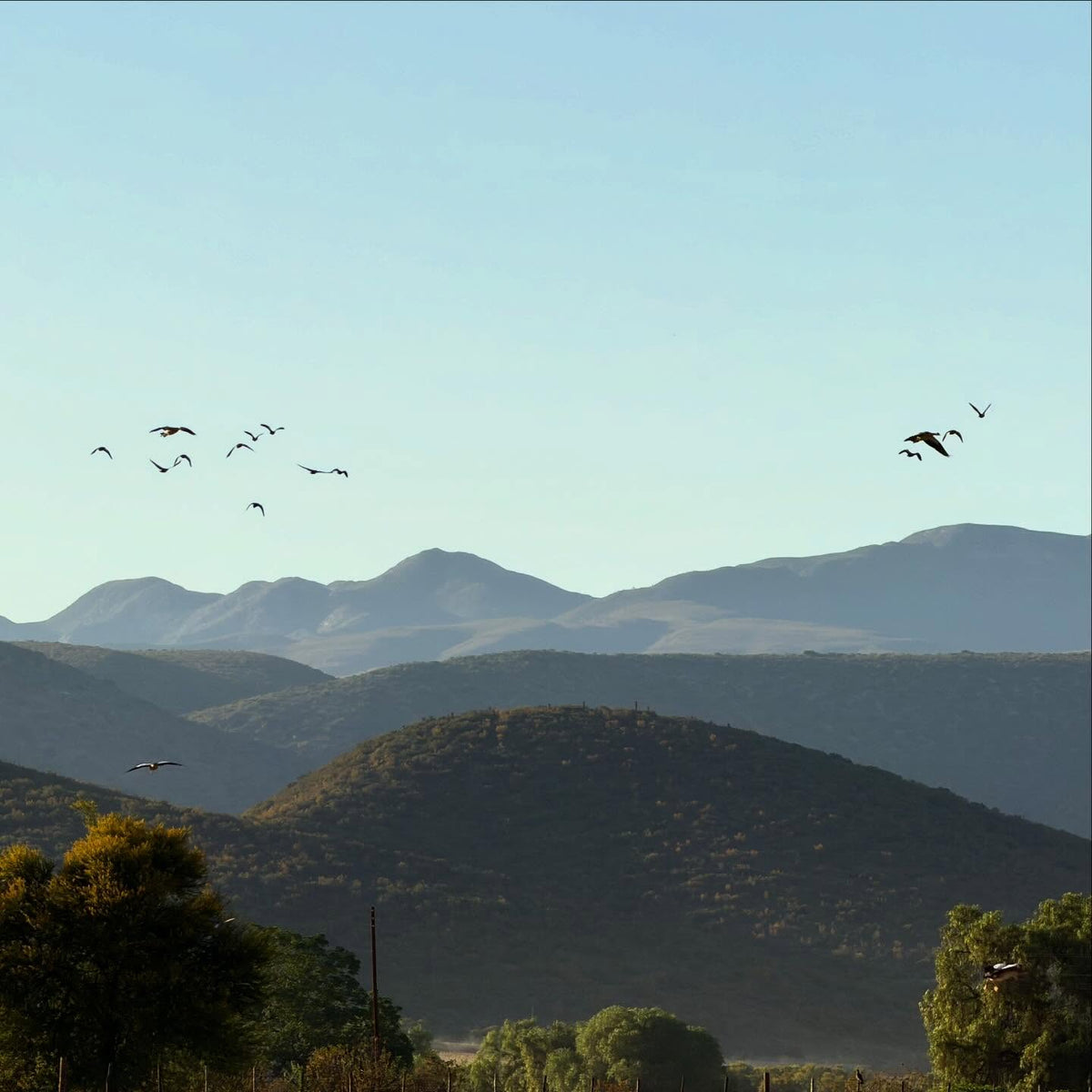
More than 130 bird species have been recorded across the property, including the magnificent Verreaux’s eagle. From the cliffs overhead to the riverine vegetation below, each habitat contributes to a landscape alive with movement, birdsong and seasonal change.

Our responsibility is to help keep that home intact.

Mammals
  • Cape Mountain Leopard
  • Caracal
  • African Wild Cat
  • Black-backed Jackal
  • Honey Badger
  • Bat-eared Fox
  • Lesser Grey Mongoose
  • Small-spotted Genet
  • Striped Polecat
  • Porcupine
  • Rock Dassie (Hyrax)
  • Scrub Hare
  • Hewitt's Red Rock Rabbit
Antelope and larger herbivores
  • Greater Kudu
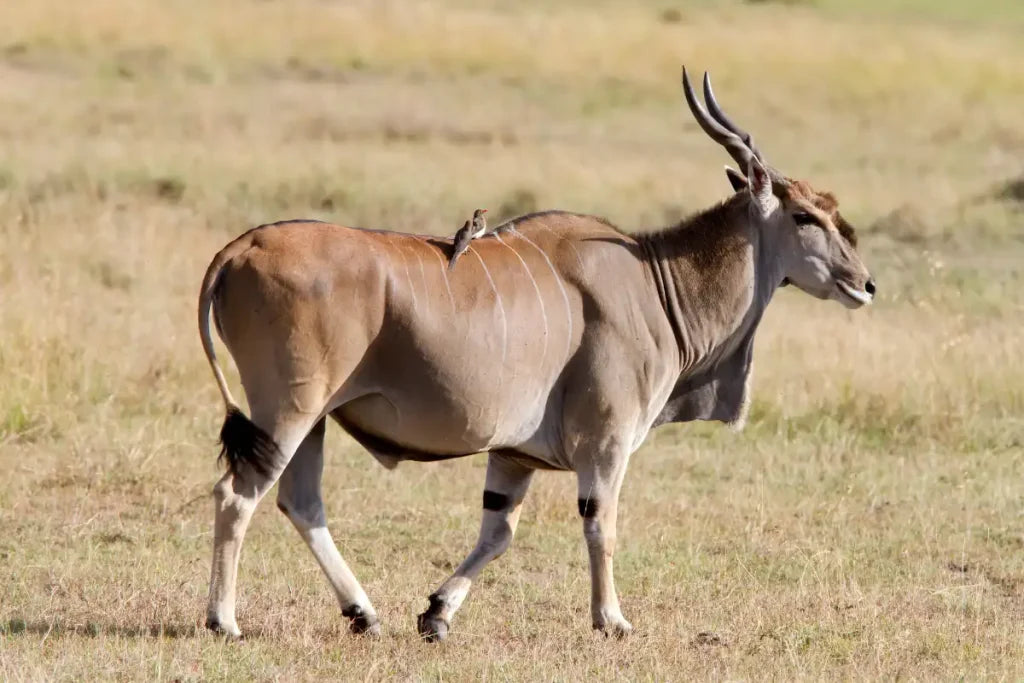
  • Cape Eland
  • Gemsbok
  • Grey Rhebok
  • Klipspringer
  • Common Duiker
  • Steenbok
  • Cape Grysbok
Indigenous fish species
  • Cape Kurper
  • Small-scaled Redfin Minnow (Endangered)
  • Slender Redfin Minnow (Endangered)
Primates
  • Chacma Baboon
  • Vervet Monkey

More than 130 bird species have been recorded across the property, including the iconic Verreaux's eagle.

A landscape written in stone

A landscape written in stone

The dramatic folds and towering cliffs of Meiringspoort reveal a geological story stretching back hundreds of millions of years.

Ancient layers of rock, folded and uplifted by immense forces and gradually sculpted by water and weather, have created the mountains we see today. Their beauty is inseparable from their ecological importance: the changing slopes, soils and sheltered valleys help shape the remarkable variety of life they support.

Here, geology is more than a backdrop. It is the foundation of the living landscape.

Protecting what cannot be replaced

Protecting what cannot be replaced

Significant portions of our property are identified as a Critical Biodiversity Area in the Western Cape Biodiversity Spatial Plan.

That recognition gives our conservation work a clear purpose. These are places important to the survival of indigenous ecosystems and species, and to the natural processes that keep the wider landscape healthy.

Through our work with CapeNature, we are pursuing formal protection supported by responsible, long-term stewardship of the land.

One commitment to life

One commitment to life

At the Karoo Donkey Sanctuary, rescued animals find safety, care and the freedom to live out their lives. Through the proposed Meiringspoort Private Nature Reserve, we are extending that commitment to the indigenous wildlife and habitats around them.

Both express the same belief: that the lives entrusted to our care deserve a future.

For the donkeys who have found sanctuary. For the wildlife that already calls this place home. For the generations still to come.

For animals. For nature. For life.